Donate
 
 
About Policy Print E-mail

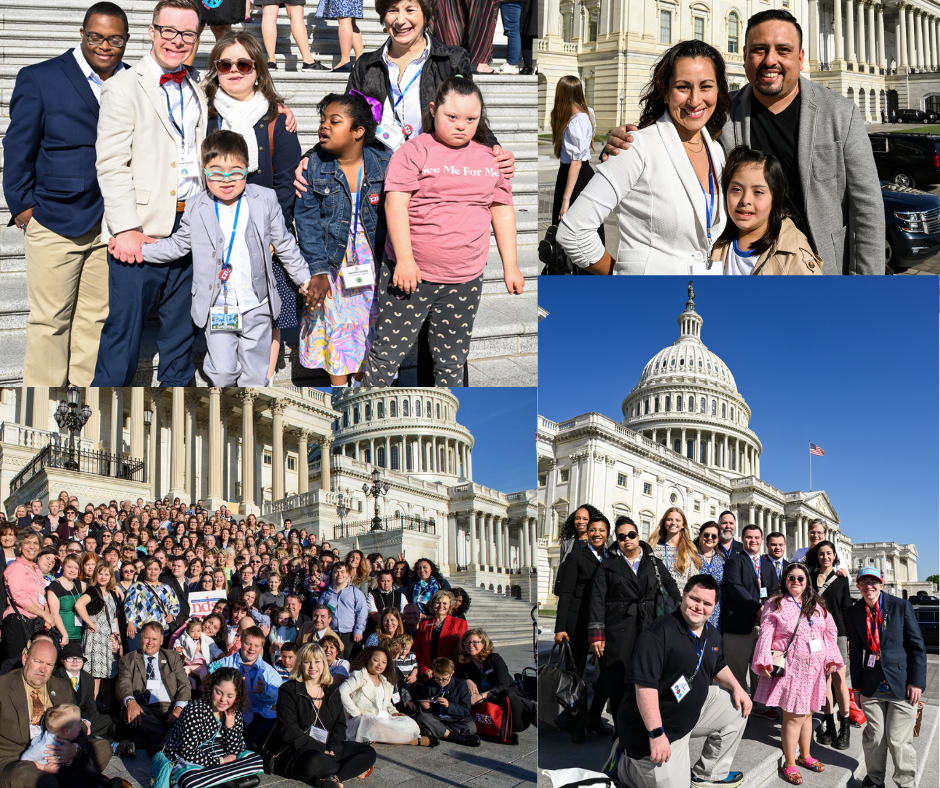
[Self-Advocate Mia Peterson testifies before the Senate Committee]

The NDSS National Policy Center strives to protect the rights and remove the barriers of all individuals with Down syndrome by working with Congress and federal agencies, as well as educating parents and self-advocates to advocate on the local, state, and national levels.

Information Bulletins, Action Alerts and position papers on the various topics in the NDSS Legislative and Policy Agenda are developed to provide information and encourage advocacy. Also, the Policy Center submits comments to Congress and federal agencies on the bills and regulations that affect individuals with Down syndrome. In order to further the Policy Center priorities, the staff have organized and participated in many coalitions with other national organizations.

The NDSS National Policy Center is also focused on creating statewide governmental affairs committees united in their determination to work on key policy objectives across the lifespan of individuals with Down syndrome and other intellectual disabilities.

 Strategies for Successful Public Policy Advocacy

National Legislative and Policy Priorities

Developed July 2006

PROVIDE A FIRST-CLASS EDUCATION FOR CHILDREN WITH DOWN SYNDROME

Early Childhood – Raising Expectations and Improving Outcomes

Expand inclusive preschool options for students with DS. Create policy which requires states/districts that do not have inclusive pre-school options through either public programs or funding and services for children to participate in private programs.

K-12 Programs – Raising Expectations and Improving Outcomes

Promote the development and use of universally designed standards, curriculum, instructional strategies, and materials for use by general education and special education teachers. In addition, promote the development and use of universally-designed alternate assessments, based on both grade level and high-quality alternate achievement standards, that will help drive improved instruction and hold schools accountable for the progress of students with disabilities.

CREATE AN ECONOMIC FUTURE FOR ADULTS WITH DOWN SYNDROME

Transition – Raising Expectations and Improving Outcomes

Promote the development of high school work/study programs as well as transition/post-secondary programs for students who are ages 18-21.

Adulthood – Promoting and Encouraging Consumer Control of Resources, Earnings, Savings, and Ownership

Promote states’ development of proposals to waive both Social Security and Medicaid regulations to ensure parents and persons with DS control resources through individual budgets and to support increased earnings, savings and ownership.

Promote the development of savings instruments for persons with Down syndrome and their families to support education, including post-secondary education, assistive technology, home ownership and long-term independent living supports.

DEVELOP TREATMENTS AND THERAPIES TO IMPROVE THE QUALITY OF LIFE OF PERSONS WITH DOWN SYNDROME

Enabling healthier and fuller lives through research efforts

Promote private and government funded research

Create a Down Syndrome Research Coalition

Improve access to health care by building the network of clinical care centers